Otk Brake Pad Shim
Disc brakes are more reliable and more effective than drum brakes, making them a natural choice for safety-conscious motorists. Disc brakes sometimes generate high-pitched vibrations that result in annoying brake squeal. Adding soft, vibration-absorbing shims to the back of disc brake pads is an effective means of stopping brake squeal.
Brake shims are the automanufactuer’s best tool for fighting brake noise. Without them, the individual would cause all kinds of vibration and noise. This article offers an in-depth look at brake shims, and how to install them.How They WorkBrake shims prevent and reduce the transmission and amplitude of vibrational forces. This is achieved with dampening material bonded to the pad assembly. Shims also add mass to the brake that can dampen vibrations in the pad and caliper. Shims can act as a thermal barrier to ensure consistent temperatures across the pad, which gives consistent brake torque. High quality brake shims are multilayered with varying grades of dampening materials.
Otk Brake Pad Shims
Engineers tune these layers to get the best qualities for that specific brake system. If the shim is not making contact with the brake pad, it will not do its job.Shim InstallationBefore installing any brake pad or shim, take time to look it over. Some of the best brake pads already have the insulator attached to it. This ensures effectiveness in three ways. First, it prevents the technician from forgetting to install it.
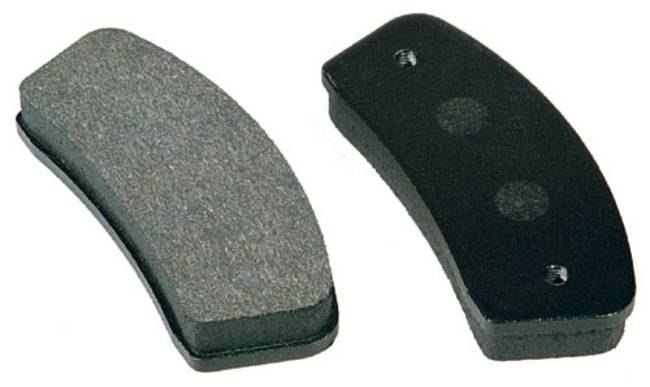
Second, a heated press can be used to properly cure the adhesives, and third, the manufacturer can test the shim to make sure it performs correctly. If the shim isn’t already attached, you can drop it on a hard surface to see how well it absorbs vibrations. If a set of pads doesn’t look “right,” don’t install them. It’s easier to return opened but unused pads rather than used ones. It’s easy to blame the pads when experiencing a comeback due to brake noise, but the sound the customer is hearing isn’t just the, it’s a product of the entire brake system which is why it’s important to look at the entire brake system when diagnosing brake noise.
Here are the top ten brake job mistakes made by rookie mechanics when replacing brake pads, rotors and calipers.1. Not cleaning the brake slides and hardware: Just slapping new pads where the old pads once resided never works.2. Not lubricating the guide pins: Caliper guide pins on floating calipers should be cleaned in solvent. The grease is under extreme heat and pressure so always use a caliper specific grease. NEVER put a torn boot back on a car.3. Installing the brake pads backwards: It happens more often than you would think!4. Not measuring the rotor:5. Not machining the rotor: New pads almost always require a fresh rotor surface so the pads can deposit a thin layer of friction material to increase braking performance.
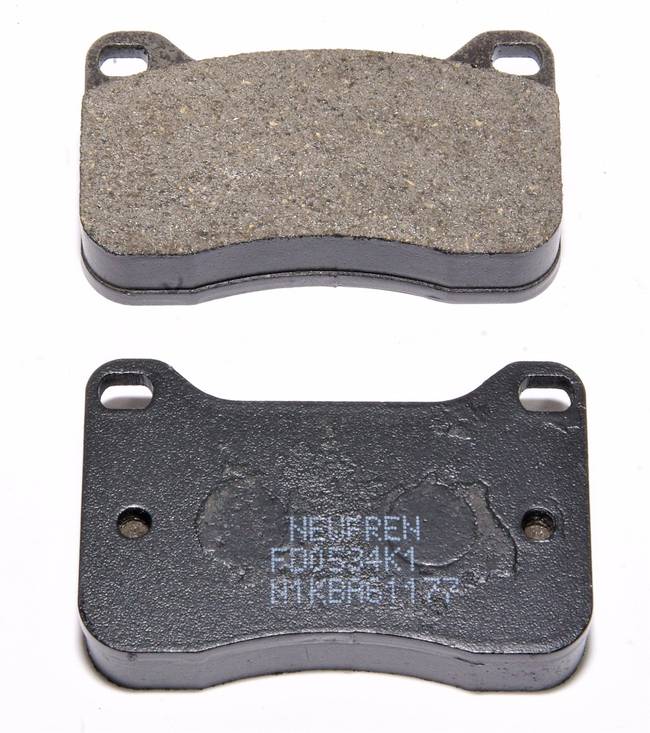
If old deposits of the previous material are on the rotor,6. Not properly torquing the caliper bracket bolts: Not all caliper bracket bolts are the same. Torque ranges can vary from 30- to 110-ft/lbs.7. Over torquing the caliper guide pin bolts: Caliper guide pin bolts typically need a 13mm wrench to remove. Pokemon heart gold gba portugues download. It is a rookie mistake to go nuts on these bolts and break the heads off. Typically these bolts require only 25- to 35-ft/lbs of torque.
Otk Brake Pad Shimano
Installing a caliper upside down: Nothing is worse than going to bleed a new set of calipers on a vehicle, only to find the bleeders are on the bottom of the caliper and not the top. The bleeder needs to be at the top of the caliper to remove all the air. Always check the box to make sure you have a left and a right before you start the job.9. Using cheap brake pads: This is the most common mistake for the rookie is to shop for a pad on price and not quality, features and reputation. Features like, Clip-on/floating shims and extras thrown in the box like abutment clips do not come cheap, but the can mean the difference in the long run.10. Hanging the brake caliper by the hose: Nothing is more painful than to watch a brake caliper do a bungee jump from a control arm or knuckle and watch it dangle by the brake hose.
This can cause damage to internal structure of the hose that can cause a soft pedal or a rupture.What was your biggest mistake while doing a brake job? Please share in the comments!